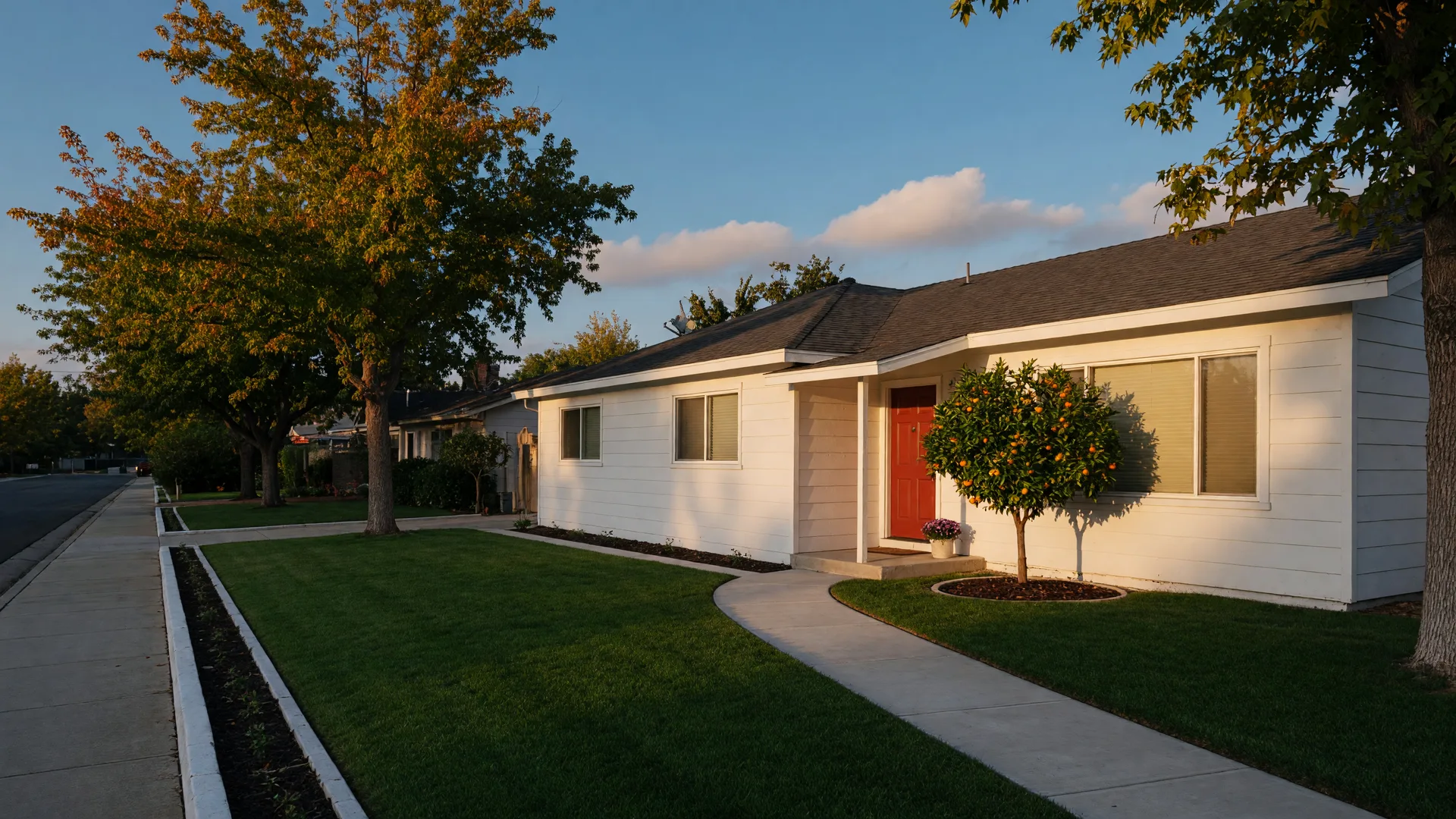
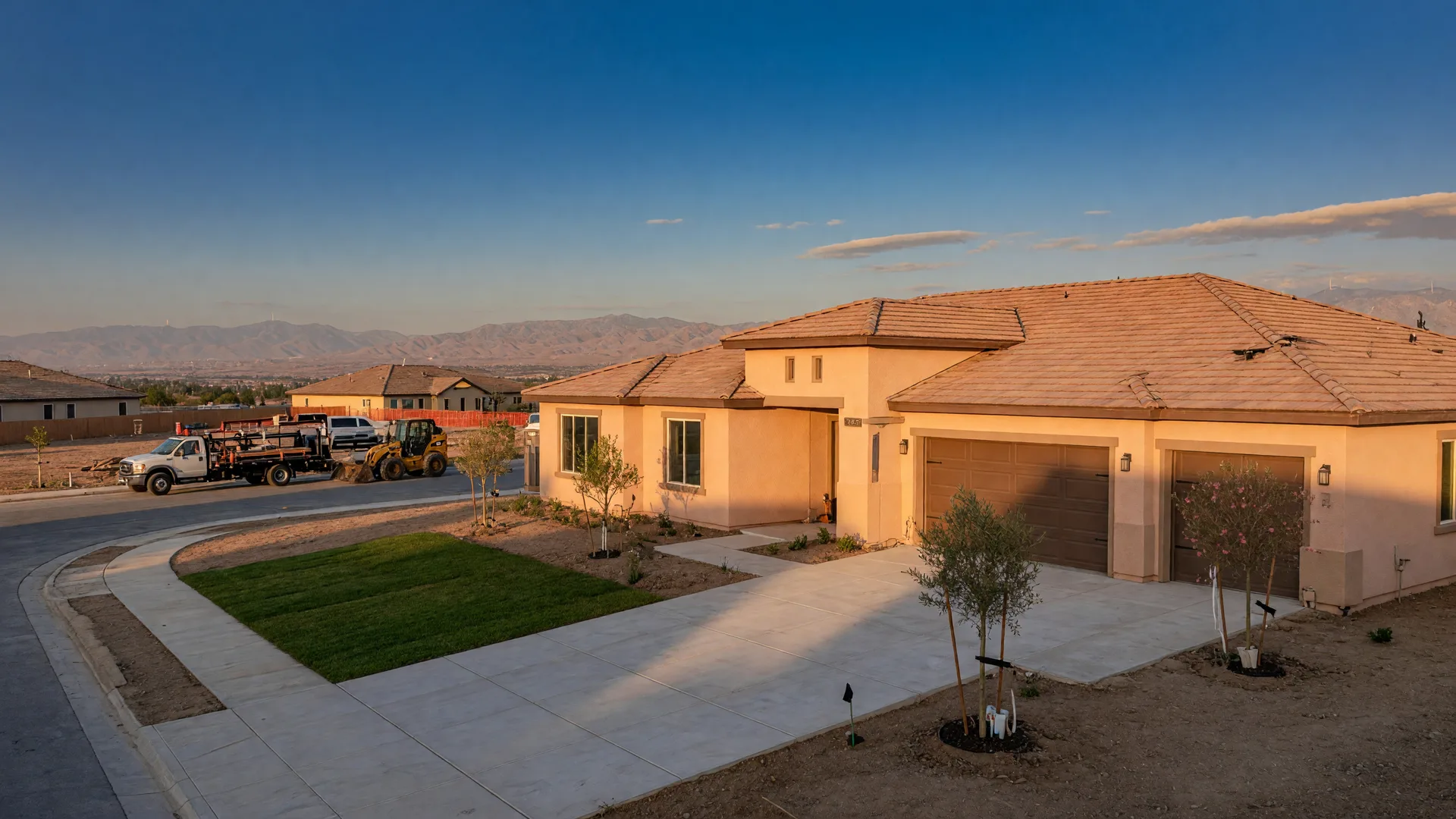
New construction is a different kind of home search
A brand-new home brings a lot with it: untouched finishes, current energy systems, and the chance to be the first person to turn the key. But buying from a builder is not the same process as buying a resale, and the differences are worth understanding before you visit a sales office. New neighborhoods are opening all across the valley, from Fresno's north side to Clovis to Madera, so this is a timely question for a lot of local buyers.
We have helped buyers through both kinds of purchases for years, and the honest answer is that neither is better. They are simply different, with different rhythms, different paperwork, and different questions to ask. Here is what we want every Fresno-area buyer to know before signing a new-construction contract.
Where new homes are going up across the valley
The Fresno area has a strong pipeline of new construction right now, and it spans a wide range of prices and lifestyles. In Clovis, master-planned communities like The Ranch at Heritage Grove and Corinthalyn have been adding lots, while Loma Vista and Harlan Ranch continue to fill in around them. In Fresno, you can find everything from entry-level neighborhoods like Fanucchi Ranch to the country-club setting of Copper River Ranch and the Belterra community in southeast Fresno. Head toward Friant and The Preserve is still actively building as well.
That variety is good news for buyers. Whether you are looking for a starter home, a place with room to grow, or a property near a golf course, there is likely a new-construction option in your range. The trade-off is that not every community fits every lifestyle, so the location questions matter just as much here as they do with a resale. Our neighborhood guides can help you see which areas fit how you want to live.
How the sales office works
The rhythm is different from a resale from the very first visit. Instead of touring one home and writing an offer, you typically sit down in a sales office, choose a home site and a floor plan, and later pick finishes in a design center. Many communities release lots in phases, so the plan you love may not be available until the next release. That is normal, and it means patience can be a real advantage.
When you do sign, the contract spells out the plan, the lot, the price, and the construction timeline. Builders often ask buyers to work with a preferred lender, and that can come with genuine incentives, but you are never required to use one. Getting pre-approved on your own first lets you compare offers and negotiate from a calmer place. Our buying guide and pre-approval tips walk through everything to have ready.
Upgrades, closing costs, and the bills to plan for
The base price is rarely the final price. Design center upgrades, from flooring to cabinets to countertops, add up quickly, and most builders price the home around the selections you make. Set a budget before you walk into the design center, and keep your must-haves separate from your nice-to-haves. It keeps the process simple and the numbers honest.
Closing costs are still yours to plan for, and California new construction brings a couple of extras. Because a new home is assessed at its full new value, you may receive supplemental property tax bills after you move in, and most new subdivisions have HOA dues that begin the day you take the keys. None of this should be a surprise: your lender, the builder, and your agent should all lay it out before you sign. The market report shows what similar homes are selling for nearby, which helps you check that the price makes sense.
Inspections still matter on a brand-new home
A new home is not exempt from the value of a good inspection. California law provides a 10-year structural warranty on most new homes, but the everyday systems deserve a second set of eyes. We suggest three checkpoints: a pre-drywall inspection while framing, plumbing, and wiring are still visible, a thorough final walkthrough before closing, and a one-year warranty review before your first anniversary in the home.
Solar should be part of the conversation too. California building standards now require solar panels on most new homes, so the system should be spelled out in the contract and the price rather than treated as an afterthought. Understand what it produces, who services it, and whether the panels are owned or leased before you close.
Questions worth asking before you sign
Take your time in the sales office, and ask the same questions you would ask of any seller. What school attendance area is this home in, and could new construction shift it? What exactly is included in the price? What is the completion date, and what happens if it slips? What does the HOA cover, and what are the dues? And what happens to your deposit if the appraisal comes in below the contract price? Straight answers to questions like these separate a confident purchase from a stressful one.
Treat a new subdivision as a place to live, not just a house to buy. A brand-new neighborhood starts with young landscaping and open land around it, so look at what is planned for the surrounding area. The Clovis growth debate post is a good example of how planning decisions shape communities, and our neighborhood guides show what established areas feel like today.
A new chapter starts with good questions
Buying new construction can be a wonderful way to get exactly the home you want, but it works best when you understand the process and have someone asking the hard questions alongside you. That is where we come in. Whether you are just curious about the communities going up around Fresno, Clovis, Kerman, and Madera, or ready to visit a sales office this weekend, we will help you compare your options with no pressure and no obligation.
Ready to talk it through? Send us a note or call us at 559-272-8554 . We can help, and we will talk soon.