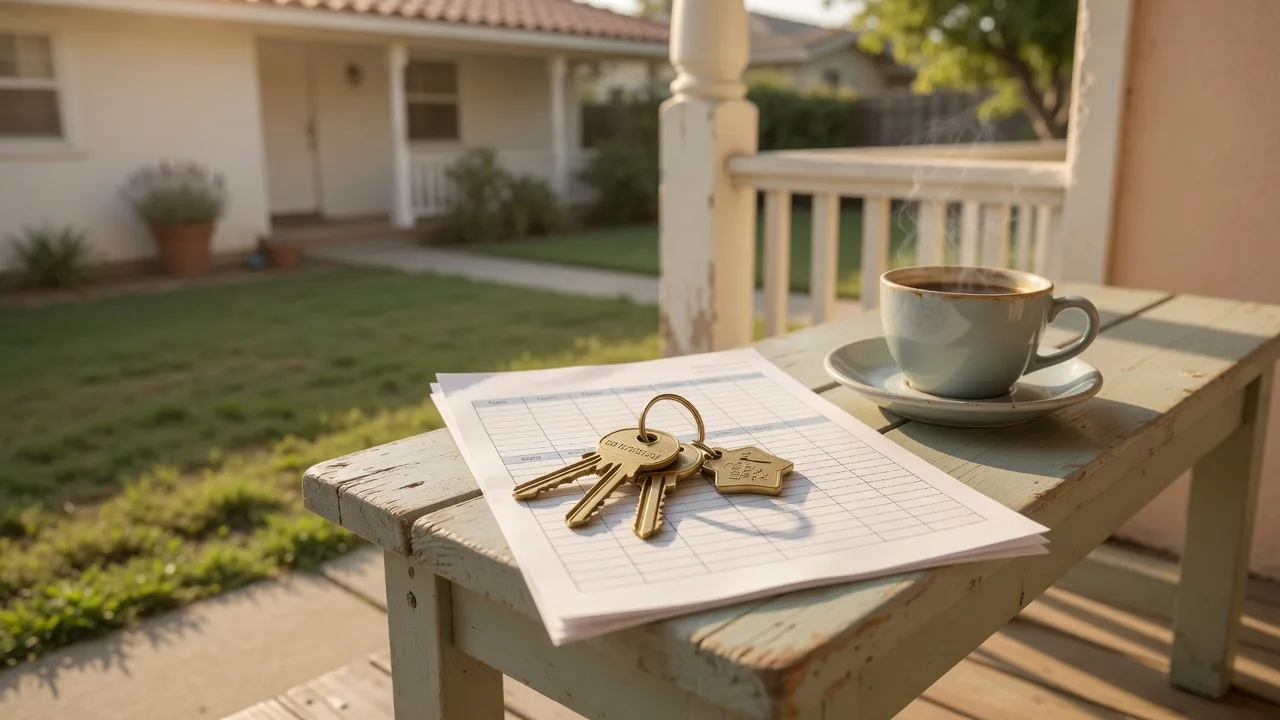

Disclosure is honesty, on paper
If this is your first time selling a home, the word disclosures can sound heavy, like a stack of legal warnings waiting to complicate your sale. In practice it is simpler than it sounds. California asks sellers to honestly share what they know about their home so buyers can make an informed decision. That protects buyers, and it protects you, because a buyer who knows what they are getting is far less likely to walk away later.
As brokers who have guided Fresno-area sales for thirty-six years, we have walked hundreds of sellers through this exact paperwork, and it is completely routine. Once you understand what is required and why, most sellers relax. Let us walk you through the forms you will actually see, and what each one is really asking.
The core forms California sellers sign
Every residential sale starts with the Transfer Disclosure Statement, the TDS, where you note known material defects: a roof with a history of leaks, an aging water heater, a foundation with settling you have noticed. A good rule of thumb is simple: if it would matter to you as a buyer, mention it. And here is a detail that surprises people, even an as-is sale still requires the full TDS. Disclosure is not something a California seller can waive.
Right alongside the TDS, your buyer will ask for the Seller Property Questionnaire, a ten-year history covering past repairs, permits, insurance claims, and neighbor disputes. Next comes the Natural Hazard Disclosure, which tells buyers whether the property sits in earthquake, flood, fire, or dam-inundation zones. Hazard reports like this are usually prepared by a specialized disclosure company, and that is something we coordinate for you.
A few more forms round out the standard package: the federal lead-based paint disclosure for homes built before 1978, a notice pointing buyers to the Megan's Law database, a Mello-Roos and special-assessment statement for areas that carry those bonds, and HOA documents whenever the community has an association. For most sellers it is a handful of familiar forms, handled once at the very start.
The short list, at a glance
TDS: known material defects, not waivable in any sale. SPQ: a ten-year history of repairs, permits, and claims. NHD: earthquake, flood, fire, and dam-inundation zones. Lead-based paint: homes built before 1978. Megan's Law notice. Mello-Roos and special assessments. HOA documents when applicable.
Newer rules are raising the bar, fairly
California keeps refining these rules, and the newest changes are common sense. A home bought and resold within eighteen months now comes with disclosures about renovations, the contractors behind work over $500, and the permits behind it. Homes in high and very high fire-hazard areas include an annual insurance cost disclosure and a low-cost retrofit checklist from Cal Fire.
There is also a transparency rule we genuinely appreciate: any listing image that has been digitally altered or virtually staged must be labeled, with the original photo available on request. We market homes with real photography and modern presentation, and we believe buyers deserve to know exactly what they are looking at. Straight answers work in every part of this business.
Why honest disclosure helps you sell
It can feel safer to say less, but in our experience the opposite is true. A fully informed buyer rarely gets surprised at the inspection, the appraisal, or the final walk-through, and surprise is what sinks deals. When buyers see that you were open and straightforward, they trust the process, and trust is what carries a sale to the closing table.
Full disclosure also protects you after the sale. California's disclosure rules exist partly to answer claims later, and a complete, honest paper trail is the best defense there is. We would rather have one straightforward conversation now than a complication three months after closing.
Your team handles the paperwork
Here is the part sellers like best: most of this is prepared before your home ever hits the market. We gather the forms, coordinate the reports, and sit down with you so you understand every page before you sign. It is part of our 100+ Point Home Marketing Plan , and it is one more reason sellers tell us the process felt simple.
If you would like to see how it all fits together, our selling guide walks through the entire journey, from pricing to closing day. And before you list, the latest market report shows what homes like yours are doing across Fresno, Clovis, Kerman, and Madera right now.
Talk soon
Disclosure is not a test, and you are not expected to know every rule yourself. That is exactly what we are here for. When you are ready to talk about your home, send us a note or call 559-272-8554. We will give you straight answers, no pressure, and a clear plan you can keep. Talk soon.